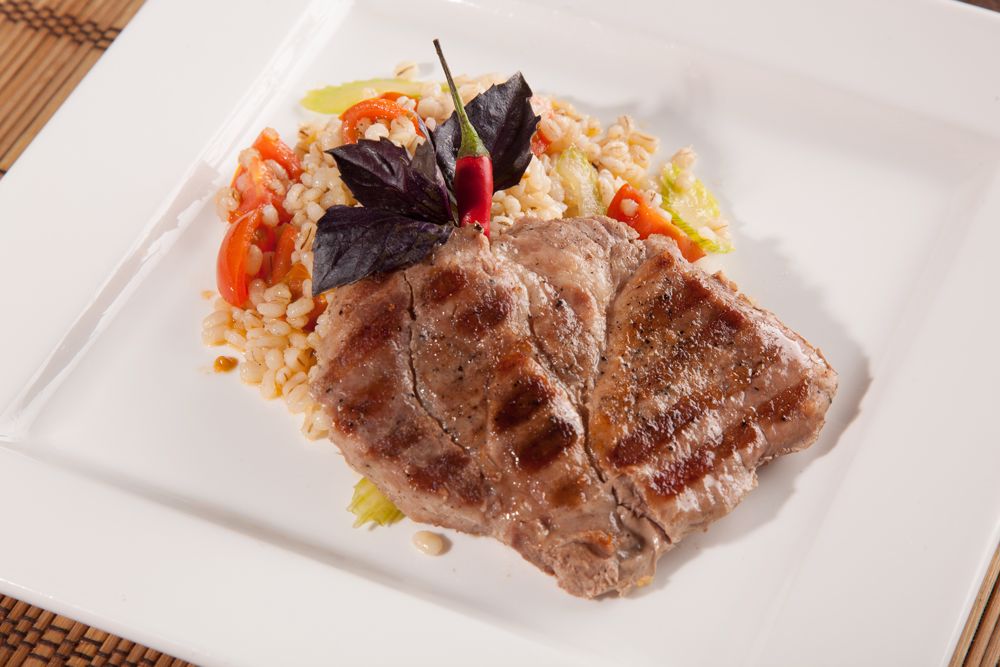
Unlock Unrivaled Tenderness: The Ultimate Guide to Sous Vide Pork Tenderloin
For many home cooks, achieving a perfectly cooked pork tenderloin can feel like a culinary tightrope walk. This prized cut, known for its inherent tenderness, is also exceptionally lean, making it highly susceptible to drying out and becoming tough with even a moment of overcooking. Traditional methods, from grilling to pan-searing, often leave little room for error, leading to disappointing results that are either underdone or, more commonly, overly dry. This is where the magic of
sous vide pork tenderloin steps in, transforming what was once a gamble into a guaranteed culinary triumph.
If you've ever yearned for pork that's consistently juicy, fork-tender, and bursting with flavor from edge to edge, then sous vide is your answer. This innovative cooking technique uses a precisely controlled water bath to cook food to an exact internal temperature, eliminating guesswork and ensuring perfection every single time. For pork tenderloin, it's nothing short of a revelation, promising the most succulent and flavorful version you'll ever taste.
Why Sous Vide is a Game-Changer for Pork Tenderloin
The challenges of cooking pork tenderloin stem directly from its nature: it's incredibly lean with very little connective tissue or fat to protect it from drying out. Traditional high-heat cooking methods often result in a temperature gradient, where the outer layers cook much faster and hotter than the center, often sacrificing moisture for the sake of doneness.
Sous vide cooking completely circumvents these issues. Here’s how it transforms your pork tenderloin experience:
*
Precision Temperature Control: The core benefit of sous vide is its ability to maintain an exact temperature throughout the cooking process. Your pork tenderloin will never exceed the set temperature, meaning it's virtually impossible to overcook. This ensures maximum moisture retention, resulting in a tenderloin that remains incredibly juicy from one end to the other.
*
Even Cooking from Edge to Edge: Say goodbye to grey, dry edges and perfectly pink centers. With sous vide, the pork tenderloin cooks uniformly, achieving your desired doneness consistently throughout the entire piece of meat.
*
Deep Flavor Infusion: By sealing the pork tenderloin along with seasonings and aromatics in a vacuum-sealed bag, the long, gentle cooking process allows flavors to deeply penetrate the meat. The natural juices, locked within the bag, are reabsorbed by the pork, intensifying its taste and creating a more profound culinary experience. This means less need for extensive pre-marinating, as the sous vide method itself acts as a powerful infuser.
In essence, sous vide takes the inherent tenderness of pork tenderloin and amplifies it, while eliminating its main vulnerability: dryness. It allows you to prepare this elegant cut with confidence, knowing it will be consistently delicious.
Mastering the Sous Vide Pork Tenderloin: Time & Temperature
When it comes to sous vide, temperature reigns supreme. While cooking time is important for tenderizing and flavor infusion, it's the water bath temperature that dictates the final doneness and, crucially, the juiciness of your pork tenderloin. A slightly higher temperature will yield a firmer texture, while a lower temperature will keep it incredibly moist and melt-in-your-mouth tender.
Here’s a general guide to help you choose your ideal temperature for
sous vide pork tenderloin:
* **130°F (54°C):** This will give you a very rare to medium-rare result, very pink and extremely juicy. Some may find this too rare for pork, but it's safe if pasteurized correctly with sufficient cook time.
* **135°F (57°C):** A medium-rare, juicy, and slightly pink center. An excellent choice for those who prefer their pork on the tender and moist side.
* **140°F (60°C):** This is often considered the sweet spot for many, including ourselves. It yields a perfectly medium pork tenderloin with just a hint of pink, ensuring incredible juiciness without appearing undercooked. This is a fantastic starting point if you're unsure.
* **145°F (63°C):** For a medium-well pork tenderloin that is still very juicy. The pink will be minimal, but the meat will remain tender.
* **150°F (66°C) and above:** Will result in a well-done pork tenderloin. While sous vide prevents it from becoming dry like traditional methods, it will be noticeably firmer.
For cooking time, 2 hours is typically ideal for a standard pork tenderloin (1-1.5 lbs) cooked at any of the temperatures above. This duration is ample for the heat to penetrate and for flavors to meld beautifully without over-tenderizing the lean meat. Remember, thanks to the precise temperature control, an extra hour or two won't harm the texture.
Step-by-Step Sous Vide Pork Tenderloin Recipe
Ready to achieve perfection? Here’s your straightforward guide to making the most tender and juicy pork tenderloin:
1.
Preheat Your Water Bath: Attach your sous vide circulator to a pot or container filled with water. Set the temperature to your desired doneness (we recommend 140°F/60°C). Allow it to heat up completely.
2.
Prepare the Pork: Pat the pork tenderloin thoroughly dry with paper towels. Season generously all over with kosher salt and freshly ground black pepper. This initial seasoning is crucial for building flavor.
3.
Bag It Up: Place the seasoned pork tenderloin into a vacuum-sealable bag. For added aroma and depth of flavor, include a few smashed garlic cloves and a couple of sprigs of fresh thyme or rosemary. You can cook multiple tenderloins in separate bags if desired, making meal prep a breeze.
4.
Seal the Bag: Use a vacuum sealer to remove all air from the bag and create a tight seal. If you don't have a vacuum sealer, you can use the water displacement method: place the pork and aromatics in a high-quality zip-top bag, slowly submerge it into the water bath (keeping the opening above water), and the water pressure will force the air out before you seal it.
5.
Sous Vide Cook: Carefully place the sealed bag(s) into the preheated water bath, ensuring they are fully submerged. You might need to weigh them down with a plate or specific sous vide weights if they float. Cook for 2 hours.
6.
The All-Important Sear: Once the sous vide cooking time is complete, remove the pork from the bag. Discard the aromatics but save any liquid in the bag – it's packed with flavor and can be used for a quick pan sauce! Pat the pork tenderloin *extremely* dry with paper towels. This step is critical for achieving a beautiful, golden-brown crust during searing.
7.
Sear for Perfection: Heat a cast-iron skillet (or another heavy-bottomed, oven-safe pan) over high heat until it's smoking slightly. Add 1-2 tablespoons of high-smoke-point oil (like avocado or grapeseed oil). Carefully place the pork tenderloin in the hot skillet. Sear for about 60-90 seconds per side, flipping occasionally, until a deep, appetizing crust forms all around. You can also briefly sear the ends.
8.
Rest and Serve: Remove the seared pork tenderloin from the skillet and let it rest on a cutting board for 5-10 minutes. This allows the juices to redistribute, ensuring maximum succulence. Slice into medallions and serve immediately.
Elevating Your Sous Vide Pork Tenderloin: Tips & Flavor Pairings
While salt, pepper, garlic, and thyme are classic, there are endless ways to customize your
sous vide pork tenderloin:
*
Beyond Basic Seasoning: Experiment with different rubs or spice blends. Smoked paprika, cumin, coriander, and a touch of brown sugar create a fantastic earthy sweetness. For a Mediterranean twist, add oregano, lemon zest, and bay leaves to the bag.
*
Quick Pan Sauce: Don't let that flavorful liquid from the bag go to waste! After searing the pork, deglaze the hot skillet with a splash of wine or broth, add the bag liquid, and reduce until slightly thickened. Swirl in a pat of butter for richness. This simple pan jus is incredible over the sliced pork.
*
Marinades & Brines (Optional): While not strictly necessary due to sous vide's flavor-infusing nature, a quick brine (1-2 hours) can enhance juiciness further, and a light marinade can add complex layers of flavor. Just be mindful of strong acids that can "cook" the meat before sous vide.
*
Serving Suggestions: Pork tenderloin pairs wonderfully with a variety of sides. Think roasted root vegetables, creamy mashed potatoes, apple chutney, or a vibrant green salad. For more ideas on how to complete your meal, explore our related articles on
sous vide pork tenderloin - Article 2 and
sous vide pork tenderloin - Article 3 for delicious accompaniment suggestions.
*
Compound Butters: Finish your seared tenderloin with a slice of herb-infused compound butter (garlic-herb, chili-lime) for an extra burst of flavor as it melts over the warm meat.
The versatility of sous vide pork tenderloin makes it suitable for an elegant dinner party or a sophisticated weeknight meal. Its consistent quality frees you up to focus on perfecting your side dishes and enjoying the cooking process.
In conclusion, sous vide technology is a game-changer for anyone seeking consistently tender, juicy, and flavorful pork tenderloin. By removing the guesswork and ensuring precise cooking, it transforms a notoriously tricky cut into a foolproof culinary delight. Investing in a sous vide circulator not only guarantees perfect pork tenderloin every time but also opens up a world of possibilities for other delicious, perfectly cooked dishes. So, set your circulator, season your pork, and prepare to experience the most magnificent pork tenderloin you've ever tasted.