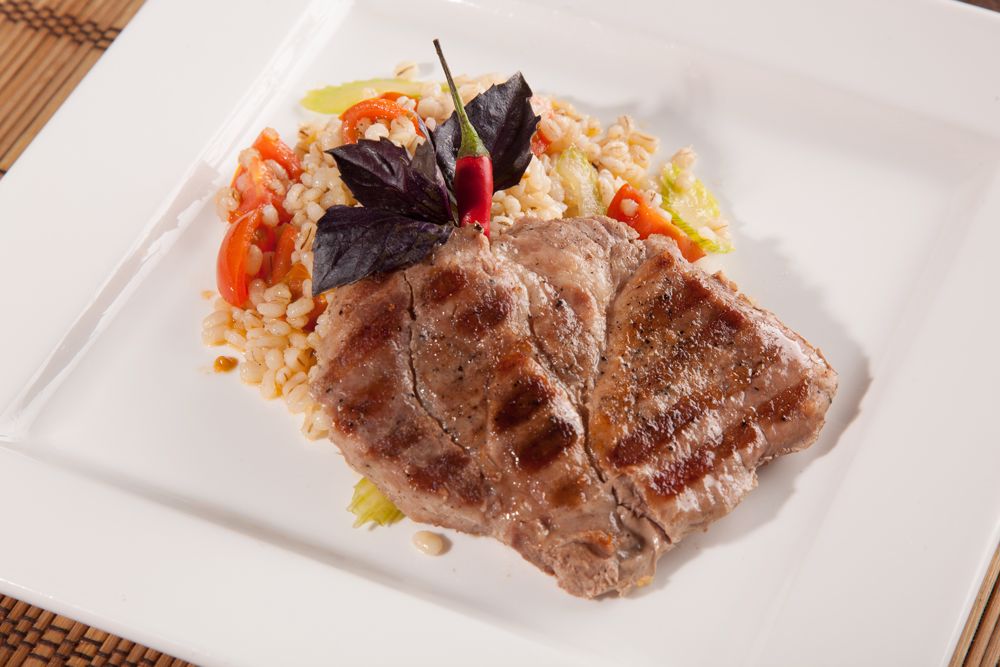
The quest for a perfectly cooked pork tenderloin can often feel like a culinary gamble. Traditional cooking methods, from grilling to roasting, frequently lead to a disheartening outcome: a piece of meat that’s either dry and tough, or inconsistently cooked with an unappetizingly pale center. This lean, delicate cut of pork, while inherently tender, is notoriously unforgiving when even slightly overcooked. But what if there was a way to guarantee succulent, melt-in-your-mouth results every single time? Enter the world of sous vide.
Sous vide cooking has revolutionized how home cooks approach challenging cuts, and the sous vide pork tenderloin stands out as a prime example of its transformative power. If you’ve ever hesitated to prepare pork tenderloin for fear of ruining it, this guide will unlock the secret to achieving unparalleled tenderness, juiciness, and flavor consistency. Beyond just a recipe, we’ll explore why sous vide is the ultimate method for this cut, provide precise time and temperature recommendations, and equip you with the knowledge to create an unforgettable meal.
Why Sous Vide is a Game-Changer for Pork Tenderloin
Pork tenderloin is often lauded as the most tender cut of pork, akin to beef tenderloin in its delicate nature. However, its extreme leanness is a double-edged sword; while it contributes to its tenderness, it also makes it highly susceptible to drying out. Conventional cooking methods, with their fluctuating temperatures, make it incredibly difficult to cook pork tenderloin evenly without overcooking the exterior while waiting for the center to reach the desired doneness. This often results in a bland, tough, and dry eating experience.
This is precisely where sous vide technology shines. By utilizing a precisely temperature-controlled water bath, sous vide cooking eliminates the guesswork and common pitfalls associated with traditional methods. Here's why it’s a revelation for sous vide pork tenderloin:
- Unmatched Precision and Consistency: The water bath maintains an exact temperature, cooking the pork tenderloin to your desired doneness from edge to edge. There are no overcooked exteriors or undercooked centers, just perfectly uniform results every time.
- Superior Moisture Retention: Sealing the pork in a vacuum-sealed bag ensures that all its natural juices and any added marinades or aromatics are locked in. This prevents moisture loss, resulting in a supremely juicy and succulent tenderloin that retains its natural flavor.
- Deep Flavor Infusion: The extended cooking time in the sealed environment allows seasonings, herbs, and spices to deeply penetrate the meat, infusing it with flavor more effectively than quick traditional methods. You'll find that even a simple seasoning of salt and pepper yields remarkably flavorful results.
- Foolproof Tenderness: By cooking gently at a consistent temperature, the muscle fibers relax and tenderize without seizing up, guaranteeing a buttery-soft texture that is simply unattainable through other means.
In essence, sous vide transforms pork tenderloin from a challenging cut into a foolproof culinary masterpiece, making it perhaps the most tender and juicy version you will ever taste.
Mastering the Basics: Time and Temperature for Perfect Sous Vide Pork Tenderloin
In the world of sous vide, temperature is the single most critical factor, dictating both the doneness and the ultimate juiciness of your pork tenderloin. While time also plays a role, ensuring proper pasteurization and tenderness, it's the precise temperature that truly defines the outcome. A common misconception is that higher temperatures guarantee faster cooking; however, with sous vide, higher temperatures primarily lead to drier meat. Our goal is to find that sweet spot where tenderness and juiciness converge.
For most pork tenderloins, a cooking time of 2 hours is sufficient to achieve ideal tenderness and pasteurization. This timeframe allows for thorough heat transfer and flavor infusion without breaking down the meat to an undesirable mushy texture. While some thicker cuts might benefit from an extra hour, tenderloin typically reaches its peak within this window. To guide your cooking, here’s a comprehensive time and temperature chart for your sous vide pork tenderloin:
Sous Vide Pork Tenderloin Time and Temperature Chart
| Doneness Level | Temperature (°F/°C) | Texture & Notes |
|---|---|---|
| Medium-Rare (Rosy Pink) | 130-135°F (54.4-57.2°C) | Very rosy pink interior, exceptionally juicy, extremely tender. |
| Medium (Slightly Pink) | 135-140°F (57.2-60°C) | Slightly pink interior, very tender and juicy. This is often my personal favorite for optimal balance. |
| Medium-Well (Hint of Pink) | 140-145°F (60-62.8°C) | Just a hint of pink, firm yet still wonderfully juicy and tender. |
| Well-Done (No Pink) | 145°F+ (62.8°C+) | No pink, firm texture. While still juicy compared to traditionally cooked well-done pork, it will be less moist than lower temperatures. |
If you're unsure where to begin, I highly recommend starting at 140°F (60°C). This temperature consistently delivers a tender, juicy pork tenderloin with a pleasant hint of pink that appeals to a wide range of palates. Remember, one of the beauties of sous vide is the ability to experiment and find your own preferred doneness without fear of overcooking.
Step-by-Step Guide to Irresistible Sous Vide Pork Tenderloin
Now that you understand the "why" and "what temperature," let's dive into the "how." Preparing a mouth-watering sous vide pork tenderloin is surprisingly straightforward. Follow these steps to achieve culinary perfection:
- Set Up Your Water Bath: Attach your sous vide circulator to a large pot or dedicated sous vide container filled with water. Set the temperature according to your preferred doneness from the chart above. Allow the water to reach the target temperature before adding the pork.
- Prepare the Pork: Pat the pork tenderloin very dry with paper towels. Season generously all over with salt and freshly ground black pepper. For added aromatics, you can place a few cloves of garlic (smashed) and a sprig or two of fresh thyme or rosemary directly into the bag with the pork. No need for extensive marinating beforehand; the sous vide process itself is incredibly efficient at infusing flavor.
- Seal the Pork: Place the seasoned pork tenderloin (and aromatics) into a vacuum-sealable bag. If cooking multiple tenderloins, use separate bags to ensure even cooking. Use a vacuum sealer to remove all air and seal the bag tightly. If you don't have a vacuum sealer, you can use the water displacement method with a high-quality Ziploc-style bag.
- Cook in the Water Bath: Gently lower the sealed bag(s) into the preheated water bath. Ensure the pork is fully submerged. You may need to weigh it down with a heavy, heat-safe object if it floats. Cook for 2 hours.
- Prepare for Searing: Once the cooking time is complete, carefully remove the bag from the water bath. Take the pork out of the bag, discarding the aromatics but reserving the liquid in the bag – it makes a fantastic base for a quick pan sauce! The most crucial step here is to pat the pork tenderloin extremely dry with paper towels. Any surface moisture will hinder the development of a beautiful crust during searing.
- Sear for a Perfect Crust: Heat a cast-iron skillet (or other heavy-bottomed pan) over high heat with 1-2 tablespoons of high-smoke-point oil (like avocado or grapeseed oil) until it's shimmering and just starting to smoke. Carefully place the dried pork tenderloin in the hot skillet. Sear for approximately 60-90 seconds per side, flipping occasionally, until a gorgeous, golden-brown crust has formed all around. This step, known as the Maillard reaction, adds incredible flavor and texture that sous vide alone cannot provide.
- Rest and Serve: Remove the seared pork tenderloin from the skillet and let it rest on a cutting board for 5-10 minutes. While technically not essential for internal temperature with sous vide, it allows the juices to redistribute and makes for easier, cleaner slicing. Slice the tenderloin against the grain into medallions and serve immediately.
Tips for Elevating Your Sous Vide Pork Tenderloin
While the basic method guarantees excellent results, a few extra tips can truly elevate your sous vide pork tenderloin to gourmet status. For even more detailed insights and advanced techniques, don't miss our comprehensive guide on sous vide pork tenderloin - Article 1.
- The Power of Pan Sauce: Don't discard that flavorful liquid from the sous vide bag! After searing the pork, deglaze the hot pan with the reserved liquid, a splash of white wine or chicken broth, and a knob of butter. Simmer until slightly reduced and thickened for an incredibly easy, flavorful sauce to accompany your tenderloin.
- Creative Seasoning Beyond Basics: While salt, pepper, garlic, and thyme are classics, feel free to experiment. Consider adding a teaspoon of smoked paprika, a pinch of chili flakes, a sprig of rosemary, or even a tablespoon of Dijon mustard to the bag before sealing. These can infuse subtle yet distinct flavor profiles.
- Pre-Trim for Perfection: Pork tenderloins often have a silverskin on one side. This silvery membrane doesn't break down during cooking and can be chewy. Use a sharp knife to carefully trim it away before seasoning and bagging for a more tender bite.
- Serving Suggestions: Sous vide pork tenderloin pairs beautifully with a wide array of sides. Think creamy mashed potatoes, roasted asparagus or Brussels sprouts, a fresh green salad, or even a vibrant fruit salsa for a touch of sweetness and acidity.
- Make-Ahead Convenience: One of the hidden gems of sous vide is its make-ahead capability. Cook the tenderloin sous vide, then chill it in its sealed bag in an ice bath before refrigerating for up to a few days. When ready to serve, simply reheat in a lower-temperature water bath (around 130°F/54°C) for 30-45 minutes, pat dry, and sear as usual.
Exploring these additional techniques will empower you to customize your sous vide pork tenderloin to suit any occasion and personal preference. For further recipe variations and advanced sous vide tips, be sure to check out sous vide pork tenderloin - Article 3.
Mastering sous vide pork tenderloin opens up a world of culinary possibilities, transforming a potentially tricky cut into a consistently perfect centerpiece. By embracing the precision of the water bath, you'll achieve an unparalleled level of tenderness, juiciness, and flavor that will impress even the most discerning palates. So, set your circulator, season your pork, and prepare to enjoy the most delicious pork tenderloin you've ever made. Happy cooking!
