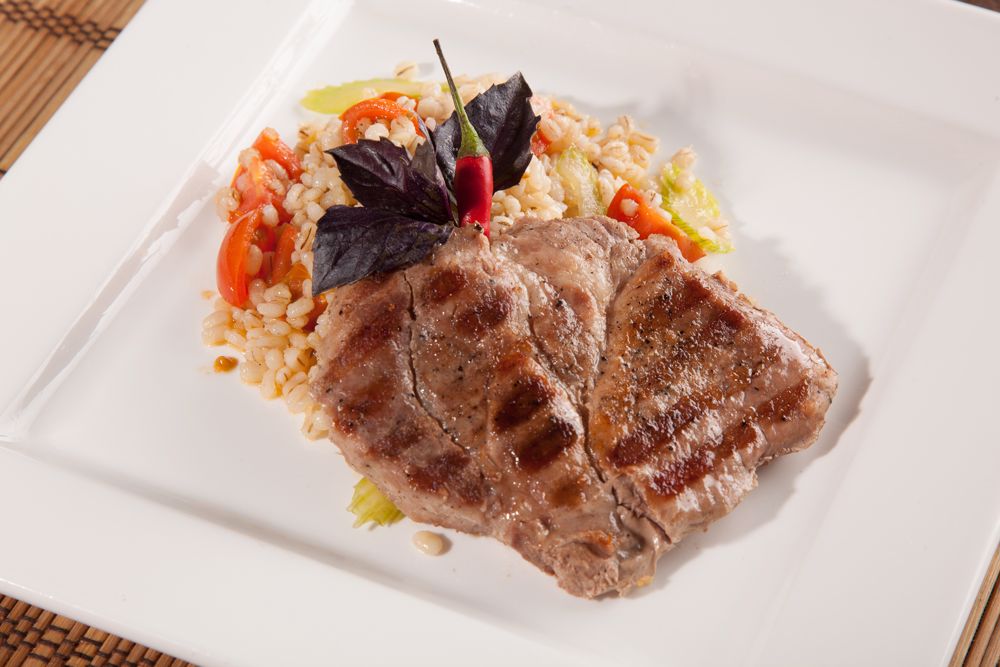
Unlock Perfect Tenderness: The Ultimate Guide to Sous Vide Pork Tenderloin
For home cooks and seasoned chefs alike, achieving consistently succulent pork tenderloin can feel like a culinary tightrope walk. Traditional methods often yield results that are either perfectly tender or, more often, disappointingly dry, tough, or unevenly cooked. This is where the magic of sous vide cooking truly shines, transforming this lean and delicate cut into an unbelievably juicy, flavorful, and fork-tender masterpiece every single time. If you've been on the fence about investing in a sous vide machine, preparing a sous vide pork tenderloin might just be the compelling reason you need to take the plunge.
Pork tenderloin, often hailed as the "beef tenderloin of the pork world," is renowned for its inherent tenderness. However, this same characteristic, combined with its extremely lean nature, makes it highly susceptible to overcooking. A minute too long in a hot pan or oven, and you’re left with a pale imitation of what could have been. The sous vide method, with its precise temperature control, eliminates this guesswork entirely, ushering in an era of consistently perfect pork.
Why Sous Vide is a Game-Changer for Pork Tenderloin
The beauty of sous vide lies in its simplicity and scientific precision. By cooking your pork tenderloin in a temperature-controlled water bath, you gain unparalleled command over the final texture and doneness. Here’s why it’s the ultimate technique for this particular cut:
- Unrivaled Tenderness and Juiciness: The gentle, extended cooking in the water bath prevents the pork from losing its precious moisture. Unlike high-heat methods that squeeze out juices, sous vide ensures that every fiber remains hydrated, resulting in an incredibly juicy and buttery-soft texture that will redefine your expectations for pork.
- Perfect, Even Cooking from Edge to Edge: Say goodbye to overcooked exteriors and undercooked centers. Sous vide cooks the pork uniformly throughout, ensuring a consistent doneness from one end to the other, every single time. This evenness is virtually impossible to achieve with conventional cooking methods.
- Superior Flavor Infusion: When sealed in a vacuum bag with seasonings and aromatics, the prolonged cooking time allows flavors to deeply penetrate the meat. Rather than just coating the surface, salt, herbs, and spices are drawn into the pork, creating a more profound and complex taste profile.
- Foolproof Consistency: Once you've found your preferred time and temperature, you can replicate that exact result with absolute certainty. This makes sous vide ideal for entertaining or simply for ensuring weeknight dinners are always a success. For more general insights into sous vide techniques, you might find sous vide pork tenderloin - Article 1 helpful.
Mastering Flavor: Seasoning Your Sous Vide Pork Tenderloin
One of the common misconceptions about sous vide is that you need an extensive marinade to infuse flavor. While a quick marinade certainly won't hurt, the unique environment of the sealed bag and extended cooking time means that even simple seasonings can yield powerful results. For your sous vide pork tenderloin, less can often be more, allowing the natural sweetness of the pork to shine through.
Simple Yet Effective Seasoning Strategy:
A generous application of kosher salt and freshly cracked black pepper is your starting point. The low and slow cooking process gives these fundamental seasonings ample time to migrate into the meat, tenderizing it and enhancing its natural flavors. To elevate this further, consider adding:
- Fresh Aromatics: A few cloves of smashed garlic and sprigs of fresh herbs like thyme or rosemary tucked into the bag work wonders. Their essences gently permeate the pork, imparting subtle yet sophisticated notes.
- Spice Rubs: If you desire a bolder flavor profile, a light dry rub (paprika, garlic powder, onion powder, a touch of brown sugar) can be applied. The vacuum seal helps these spices adhere and infuse more effectively.
While the long cooking time ensures good flavor penetration, if you crave an even stronger taste, a light coating of salt applied and then refrigerated overnight in the sealed bag can certainly amplify the savory notes. Remember, you can always sprinkle extra salt after searing or serve your tenderloin with a complementary sauce to boost flavor further.
The Science of Perfection: Sous Vide Time and Temperature
When it comes to sous vide, temperature is paramount. It is the single most important factor determining the final texture and doneness of your sous vide pork tenderloin. The higher the temperature, the firmer (and potentially drier) the meat will be. Finding your ideal temperature is key to unlocking your perfect pork.
Here’s a general guide for sous vide pork tenderloin temperatures, based on desired doneness:
- 135°F (57°C): For a medium-rare to medium result, with a very tender and slightly pink center. This is for those who appreciate pork cooked to a more steak-like doneness.
- 140°F (60°C): Our recommended starting point for a perfectly juicy, medium doneness with just a hint of rosy pink. This temperature offers an excellent balance of tenderness and succulence and is a favorite for many.
- 145°F (63°C): For a medium-well finish, where the pork is still incredibly tender and juicy, but with no pink.
- 150°F (66°C): For a well-done result, still far more tender and moist than traditionally cooked well-done pork.
For pork tenderloin, a cooking time of approximately 2 hours is generally sufficient to achieve both perfect doneness and proper pasteurization, regardless of the chosen temperature within the recommended range. The beauty of sous vide is that the pork cannot overcook past your set temperature, offering a generous "window" of readiness.
Step-by-Step Recipe: Crafting Your Perfect Sous Vide Pork Tenderloin
Ready to experience the best pork tenderloin you've ever tasted? Let's get cooking!
- Set Up Your Water Bath: Attach your sous vide circulator to a large pot or container filled with water. Set the temperature to your desired doneness (e.g., 140°F / 60°C). Cover the pot with plastic wrap or a lid to minimize water evaporation.
- Prepare the Pork: Pat the pork tenderloin very dry with paper towels. Season generously all over with salt and freshly ground black pepper. For added flavor, place a few smashed garlic cloves and sprigs of fresh thyme or rosemary alongside the pork.
- Seal the Bags: Place the seasoned pork and aromatics into a vacuum-sealable bag (or use the water displacement method with a Ziploc-style bag). Remove all air from the bag and seal it securely. You can prepare multiple tenderloins at once and freeze them for future meals, making this an excellent option for meal prep.
- Cook in the Water Bath: Carefully submerge the sealed bag(s) into the preheated water bath. Ensure the pork is fully submerged throughout the cooking process. If it floats, you can use a plate or weights to keep it down. Cook for 2 hours.
- Remove and Dry: Once the cooking time is complete, carefully remove the bag from the water bath. Take the pork out of the bag and discard the aromatics. *Important:* Pat the pork tenderloin extremely dry with paper towels. This step is crucial for achieving a beautiful, golden-brown crust during searing. You can save the remaining liquid in the bag for a quick pan sauce later if desired.
- Sear for the Finish: Heat a heavy-bottomed pan, preferably a cast-iron skillet, over high heat until it's smoking hot. Add 1-2 tablespoons of high smoke point oil (like avocado, grapeseed, or canola oil). Carefully place the dried pork tenderloin in the hot pan. Sear for approximately 60-90 seconds per side, flipping occasionally to ensure even browning, until a rich, dark crust forms. You're aiming for color and texture, not further cooking of the interior. For more inspiration on finishing techniques, check out sous vide pork tenderloin - Article 2.
- Rest and Serve: Remove the seared pork from the pan and let it rest on a cutting board for 5-10 minutes. This allows the juices to redistribute, ensuring maximum tenderness. Slice against the grain into medallions and serve immediately with your favorite sides and perhaps a simple pan sauce made from the reserved bag liquids.
Tips for an Unforgettable Sous Vide Pork Tenderloin Experience
- Don't Skip the Dryness: We can't stress this enough – a thoroughly dry surface is the secret to an incredible sear. Any moisture will steam the pork rather than sear it, preventing that coveted crust.
- High Heat, Short Time: Searing is about creating a Maillard reaction on the surface. Use a very hot pan and work quickly to avoid overcooking the interior, which sous vide has already perfected.
- Consider a Quick Glaze: Towards the end of searing, you can add a knob of butter to the pan along with some fresh herbs. Baste the pork with this melted butter for an extra layer of flavor and a beautiful sheen.
- Serving Suggestions: Sous vide pork tenderloin pairs beautifully with a variety of sides, from creamy mashed potatoes and roasted asparagus to a fresh green salad or a vibrant chimichurri. A simple pan sauce made with the bag juices, a splash of wine, and a touch of butter is also a fantastic addition.
Embracing the sous vide method for pork tenderloin isn't just about cooking; it's about unlocking the full potential of this elegant cut. The precision, consistency, and sheer deliciousness it delivers will undoubtedly make it your go-to technique. Prepare to impress your family and friends with a dish that combines effortless elegance with unparalleled flavor and tenderness. Happy cooking!
